I Almost Burned Out Completely — Here's What Pulled Me Back
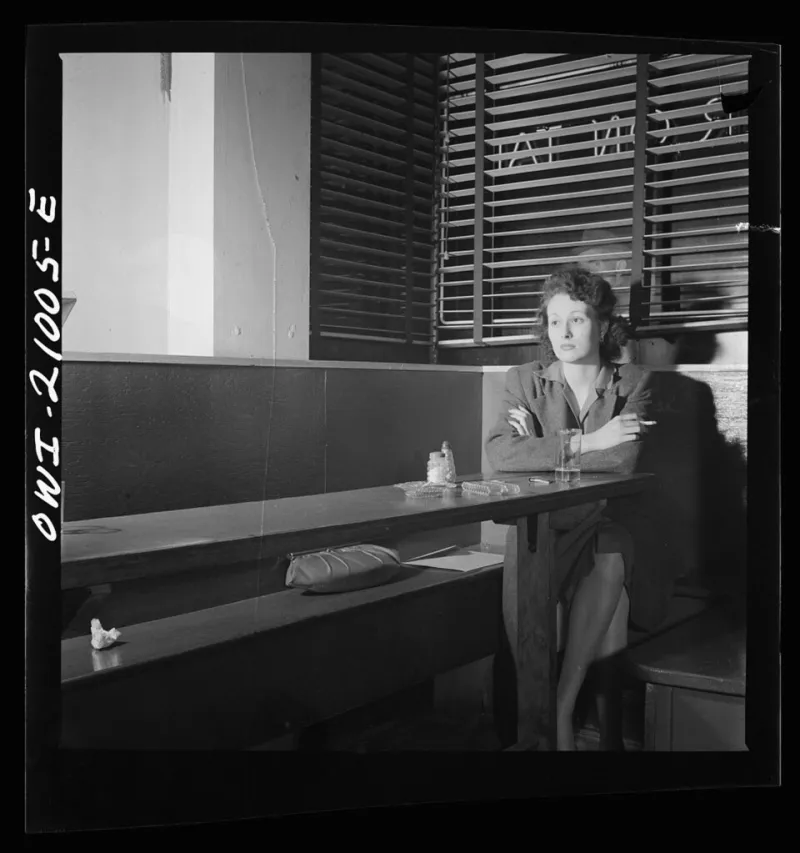
Photo: Esther Bubley, Public domain, via Wikimedia Commons
There's a version of this story where I wrap everything up in a neat bow and tell you I figured it all out. That's not this story.
This is the messier version. The one where I admit that I spent the better part of eighteen months running on fumes, telling myself it was hustle, when really it was just fear dressed up in a work ethic costume.
Burnout, especially the creator kind, doesn't announce itself. It doesn't show up one morning with a neon sign that says hey, you've gone too far. It's gradual. It's quiet. And by the time you notice it, you're already pretty deep in the hole.
The "Always On" Trap
If you've spent any time building an audience online — or trying to — you know the pressure I'm talking about. Post consistently. Stay visible. Engage with comments. Go live. Respond to DMs. Keep up with trends. Repurpose your content. Don't go dark or people will forget you exist.
And here's the cruel irony: a lot of that advice isn't wrong. Consistency does matter. Engagement does build community. But somewhere in the execution of all of it, I stopped being a person and started being a content delivery system.
I remember scrolling through my own feed one night and genuinely not recognizing the guy in the videos. Technically it was me — same face, same voice, same jokes. But there was something hollow about it. Like I'd been replaced by a reasonably convincing replica who knew all my material but had none of my actual energy.
That was the moment I knew something had to change.
What Burnout Actually Felt Like
People talk about burnout like it's just being tired. And yeah, there's exhaustion involved. But for me, the worst part wasn't physical. It was the creative numbness.
I'd sit down to write and nothing would come. Not writer's block in the romantic, staring-out-the-window way — more like a blank wall where ideas used to live. I'd scroll through trending audio on Instagram and feel nothing. No spark. No instinct. Just a vague sense of obligation.
The performances still happened because I'm a professional and showing up is non-negotiable for me. But the joy was missing. And when the joy is gone, audiences feel it. They might not know exactly what's off, but they feel it. Energy doesn't lie.
I was also starting to resent the very thing I'd built my life around, which scared me more than anything else. I'd work so hard to get here, and now the work felt like a cage.
The Boundary I Was Terrified to Draw
The first real shift came when I admitted, out loud, to someone I trust, that I needed to stop performing 24/7. Not just on stage or on camera — but in my regular life. Because that's the thing nobody warns you about: when your personality is your brand, it becomes almost impossible to know where the entertainer ends and the actual human being begins.
I was performing at dinner. I was performing in conversations with friends. I was performing for myself in my own apartment, narrating my life like it was content.
Setting that first boundary felt terrifying. I decided I wasn't going to post on weekends anymore. Two whole days where I didn't owe the internet anything. I braced for the numbers to tank. For people to forget about me by Monday.
Neither of those things happened. But something else did: I remembered what it felt like to be bored. And boredom, it turns out, is where ideas come from.
Practical Stuff That Actually Helped
I'm not going to pretend I found some guru or read one life-changing book that fixed everything. Recovery from burnout was slow and unglamorous. But a few things genuinely made a difference:
Batching without bingeing. I started creating content in dedicated blocks instead of constantly. Three hours on Tuesday afternoon. That's the window. When it's done, it's done. The rest of the day belongs to me.
Separating the creator from the person. I started thinking of "Joaquin Felipe the entertainer" as a role I step into, rather than a state I have to maintain forever. Like a costume I put on and take off. It sounds obvious, but it was a genuinely radical reframe for me.
Consuming without creating. I'd gotten to a point where I couldn't watch a movie or go to a show without mentally dissecting it for content ideas. I had to relearn how to just experience things. To be an audience member again. That refilled something in me that I hadn't even realized was empty.
Talking to people who get it. Other creators, other performers. Not to network — just to commiserate and normalize the struggle. The entertainment world can feel incredibly isolating when you're struggling, because the expectation is that you always look like you're thriving.
What I Told My Audience
Here's something I was surprised by: when I started being more honest about needing space, my audience responded with warmth, not abandonment. I posted something pretty vulnerable about needing to slow down and take care of myself. Nothing dramatic. Just honest.
The response was overwhelming. Comments from people saying they'd been feeling the same way in their own lives. Messages from other creators who'd hit the same wall. It turned out that showing up as a real, tired, sometimes-struggling human being was more relatable than the polished, always-on version I'd been grinding out.
Go figure.
What I Know Now
I'm not fully "recovered" in the sense that burnout is some finish line you cross. It's an ongoing negotiation. I still have weeks where I slip back into the grind mentality and have to consciously pull myself out.
But I know now that the hustle-until-you-break model isn't sustainable — and more importantly, it isn't necessary. The creators who seem to do this for decades aren't the ones who never rest. They're the ones who figured out how to protect their energy like it's the most valuable resource they have.
Because it is.
Your creativity, your authentic presence, your actual joy in the work — that's what people are connecting with. The moment you run it into the ground chasing metrics, you lose the very thing that made you worth following in the first place.
So yeah. Take the weekend off. Disappear for a minute. Come back when you actually have something to say.
Your audience will still be there. And honestly? They'll probably appreciate the version of you that shows up rested.