When Every Open Door Becomes a Trap: Learning to Say No in Entertainment
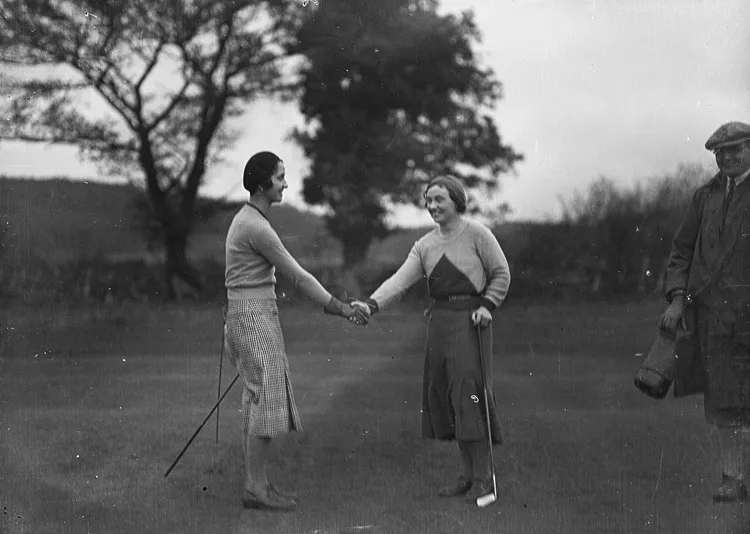
Photo: Llyfrgell Genedlaethol Cymru / The National Library of Wales from Wales/Cymru, CC0, via Wikimedia Commons
There's a version of hustle culture that sounds really good on paper. Say yes to everything. Build your network. Stay visible. Never miss an opportunity. I bought into that version completely — and for a while, it even looked like it was working.
But somewhere between the third collaboration that went nowhere and the fifth project I'd agreed to without fully reading the room, I realized something uncomfortable: I wasn't building a career. I was building a schedule so packed with other people's visions that I'd completely lost track of my own.
The Seduction of Being Wanted
Let me be real about something. When you're early in your entertainment journey, every invitation feels like validation. Someone wants to work with you. Someone sees value in what you do. That feeling is genuinely addictive, and the entertainment industry knows it.
I said yes to a podcast collab that had zero alignment with my audience. I said yes to a co-production deal with someone whose creative style clashed with mine from day one. I said yes to joint social campaigns, brand partnerships with weird strings attached, and creative projects where I was essentially providing free labor dressed up as "exposure."
None of those people were bad actors. Most of them were talented, enthusiastic, and well-intentioned. The problem wasn't them. The problem was that I had no filter — no real criteria for what a good collaboration actually looked like for me specifically.
What Overcommitting Actually Costs
Here's what nobody tells you about the collaboration trap: the damage isn't always immediate. It's cumulative.
First, there's the time drain. Every partnership requires communication, negotiation, revision, and relationship maintenance. Multiply that across six or seven active projects and you're suddenly spending more time managing collaborations than actually creating.
Then there's the brand dilution. When you show up in too many places with too many different people, your audience gets confused about who you actually are. I had followers who genuinely couldn't tell what I was "about" anymore — and honestly, neither could I.
The third cost is the sneakiest: decision fatigue. By the time I'd gotten through a week of collaborative obligations, I had almost nothing left mentally for the solo work that was supposed to be the core of my career. The original stuff. The storytelling that was mine.
And then came the resentment. That slow, low-grade frustration that builds when you've overextended yourself for outcomes that don't reflect your actual goals. I started dreading projects I'd once been excited about. That's when I knew something had to change.
The Moment It Broke
I won't get too specific, but there was one particular collaboration — a pretty high-profile one, actually — that fell apart spectacularly about three-quarters of the way through. Creatively misaligned from the start, communication was a mess, and when it unraveled, it cost me both money and a professional relationship I'd genuinely valued.
Sitting with the aftermath of that, I had to ask myself a hard question: what did I say yes to, exactly? Not the pitch version. Not the potential version. What did I actually agree to, and why?
The honest answer was that I said yes because it sounded exciting in the moment and because I didn't want to seem difficult or unavailable. Neither of those is a good reason.
The Framework I Use Now
After that experience, I built something I call a simple three-lens evaluation. It's not fancy, but it works.
Lens 1: Alignment. Does this collaboration connect to where I'm actually trying to go? Not where it could theoretically go, but where I'm genuinely headed. If the answer requires a lot of mental gymnastics to get to yes, that's a signal.
Lens 2: Exchange. Is there a fair and clear value exchange here? That doesn't always mean money — sometimes it's audience reach, creative growth, or meaningful connection. But it has to be something concrete, not just vibes and potential.
Lens 3: Energy. When I picture myself three months into this project, do I feel energized or drained? This one sounds soft, but it's often the most accurate predictor of how things will go. Your gut knows.
I run every opportunity through those three questions now. If it fails two out of three, I pass — politely, but firmly.
Saying No Is a Creative Act
Here's the reframe that actually shifted things for me: saying no to the wrong collaboration is the same as saying yes to the right one. Every time I protect my schedule, my creative energy, or my brand identity, I'm making a deliberate choice about what kind of entertainer I want to be.
The people I most respect in this industry — the ones who've built something real and lasting — are almost universally selective. They don't show up everywhere. They show up in the right places, with intention, and it shows in the quality of what they produce.
I'm not saying become a hermit or close yourself off from collaboration entirely. Partnerships can be incredible. Some of my best work has come from the right creative relationships. The key word there is right.
What Changed After I Got Selective
Within about six months of applying this framework, a few things happened. My output quality went up noticeably — because I had more mental space for the work that actually mattered. My audience started giving clearer, more consistent feedback because my brand identity sharpened. And the collaborations I did say yes to were genuinely better, because I was choosing them for real reasons.
I also started attracting different kinds of opportunities. When you stop being available for everything, the things that find you tend to be more serious.
The collaboration trap is real, and the entertainment industry has plenty of shiny objects designed to pull you off course. The antidote isn't cynicism — it's clarity. Know what you're building, know what you're worth, and be willing to protect both.
Your career will thank you for it.