Your Fans Loved Who You Were — But Who Are You Now?
There's a version of me that still lives on the internet somewhere. Old clips, early interviews, a whole aesthetic that made complete sense at the time. That version of me had a specific audience — people who connected with exactly that energy, that sound, that story.
And then I changed.
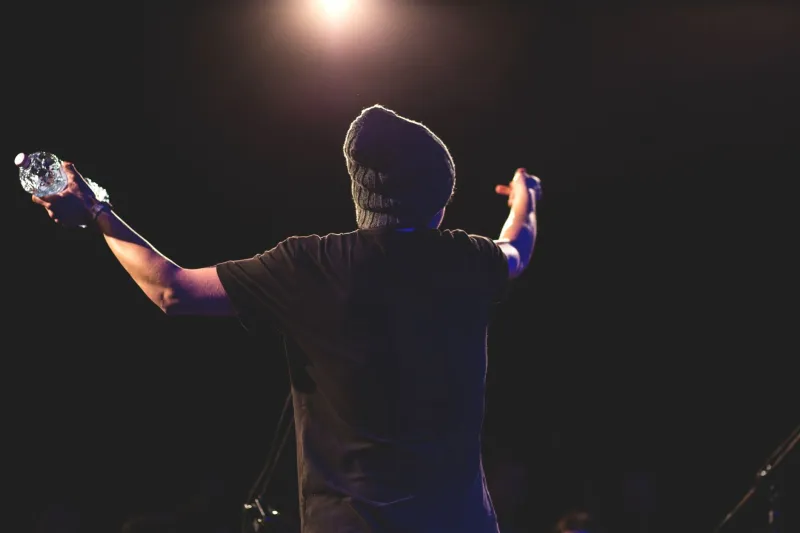
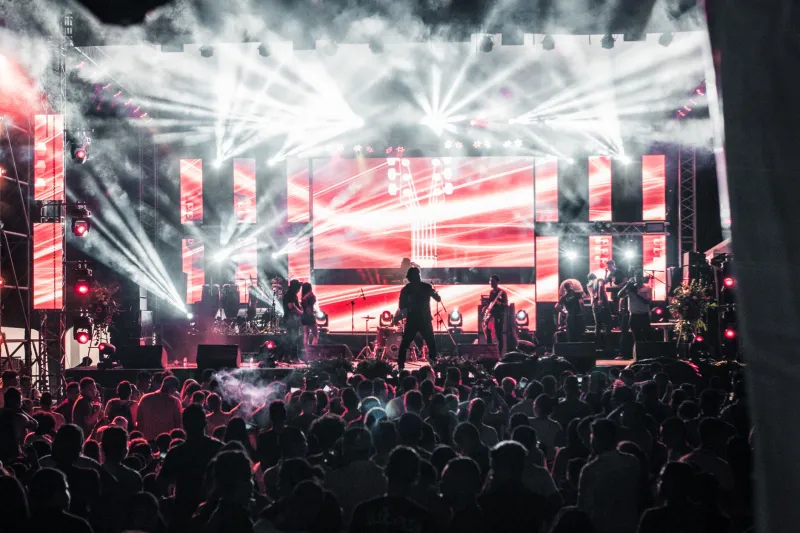
Not dramatically, not overnight. But I changed. The way most people do when they actually live a few years and pay attention. And suddenly I'm looking out at a crowd that's still cheering for something I'm not sure I'm still making.
If you've ever felt that particular kind of discomfort — where the applause feels slightly off-key because it's aimed at a version of you that's quietly exited the building — then you already know what I'm talking about.
The Trap Nobody Warns You About
Here's the thing about building an audience: it works. You find your people, you give them what they connect with, they show up for you. That's the dream. That's what you grind for.
But the same mechanism that makes an audience loyal also makes them resistant to change. They didn't sign up for the evolved version. They signed up for you — the specific you who existed when they found you. And when you start shifting, even in ways that feel completely natural and necessary to your growth, some of them will push back hard.
Social media has made this worse. Algorithms reward consistency. Audiences reward familiarity. The whole system is built to keep you doing the thing that already worked, forever, on loop.
Which is a slow, comfortable death for anyone who actually cares about making real work.
Reading the Room When the Room Has Changed
Before you can figure out how to evolve, you have to be honest about whether you've evolved. Not whether you want to, or whether you think you should — but whether you actually have.
Some signs that you've outgrown your original lane:
- The content or performances that once felt exciting now feel like going through motions
- You're privately embarrassed by the work your loudest fans keep referencing
- New influences and ideas excite you, but you're afraid to bring them into your public work
- You catch yourself creating for the algorithm or the comment section instead of from genuine creative impulse
That last one is the big tell. When you're making decisions based on what your existing audience expects rather than what you actually have to say, you've already stopped growing. You're just managing a brand at that point.
The Audience Doesn't Own You — But They Did Show Up
Here's where I want to be real with you, because I've heard both extremes and neither one is quite right.
One camp says: forget the audience, make your art, let the chips fall. Pure creative freedom, no compromises.
The other camp says: your audience is everything, give them what they want, don't bite the hand that feeds.
Both of those positions are cop-outs.
The truth is that your audience showed up for you in good faith. They gave you their time, their attention, their money in some cases. That matters. You don't owe them a frozen version of yourself, but you do owe them honesty about who you're becoming.
The creators I've watched handle this well — the ones who successfully brought audiences along through major evolutions — didn't just pivot and hope for the best. They brought people into the journey. They talked about what was changing and why. They made the evolution part of the story instead of pretending it wasn't happening.
Bringing Them Along Without Dragging Them
So how do you actually do it? How do you evolve without hemorrhaging the audience you worked so hard to build?
Start introducing the new before abandoning the old. You don't have to make a dramatic announcement that you're changing directions. Start layering in the new influences, the new ideas, the new creative territory. Let people get familiar with the evolution before it becomes the whole thing.
Tell the story of your growth. Audiences are more flexible than we give them credit for, especially when they understand the why. If you're moving in a new direction because of something you experienced, something you learned, something you genuinely needed — say that. People follow people, not just content.
Accept that some people will leave. This one's uncomfortable but necessary. Not everyone who loved the early version of you will come along for the next chapter. Some people genuinely connected with something specific, and when that thing changes, the connection changes too. That's okay. Trying to hold on to every single person from your original audience is a guarantee that you'll never fully become who you're supposed to be.
Look for the fans who are already ready. In almost every audience, there are people who are secretly hoping you'll push further. They're not the loudest ones — the loudest ones usually want things to stay the same — but they're there. Those are the people who'll ride with you into whatever comes next.
The Long Game
I think about artists and entertainers who've had real longevity — not just a moment, but actual decades-long careers that stayed relevant and meaningful. Almost without exception, they went through visible evolutions. And almost without exception, those evolutions were controversial at the time.
There's always a contingent that says you sold out, or you changed, or you're not the same. And sometimes they're right — you're not the same. That's the whole point.
The ones who last are the ones who figured out that growth isn't a betrayal of your audience. It's an invitation. Come see who I'm becoming. Come be part of this next thing.
Some people will RSVP yes. Some won't. And the ones who do? They tend to be more committed than anyone who was just there for the original version.
Where I Am With It
I won't pretend I've got this all figured out. There are still moments where I feel the pull to give people the familiar thing, the comfortable version, the one that already has a proven track record.
But I've learned to sit with that discomfort instead of immediately resolving it by playing it safe. Because nine times out of ten, the discomfort is pointing toward something worth making.
Your audience isn't a museum exhibit. They don't need you preserved in amber. What they actually want — even if they don't always know how to ask for it — is to watch someone real figure out who they are in real time.
Give them that. It's the most interesting show you'll ever put on.