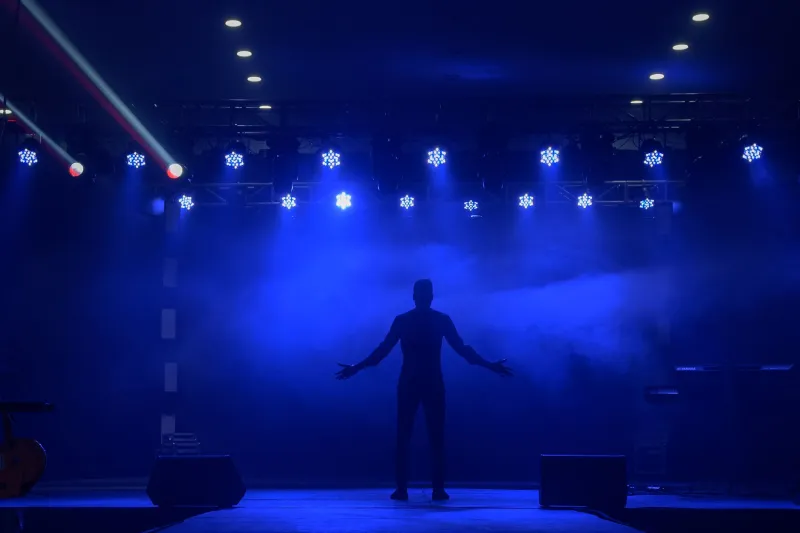
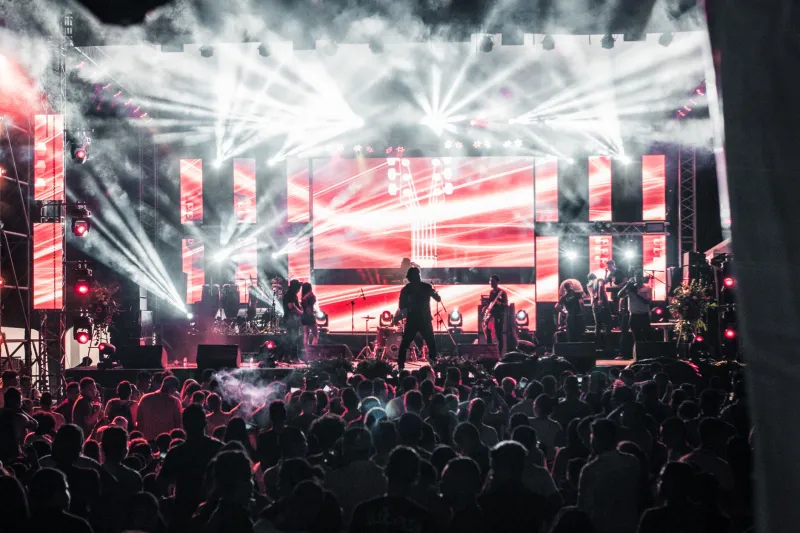
Going Dark Was the Smartest Thing I Ever Did for My Career
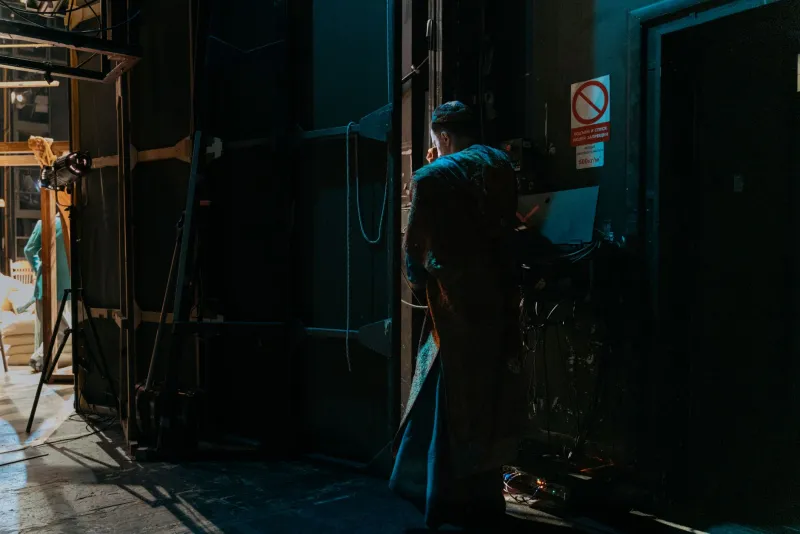
There's this unspoken rule in entertainment that you have to stay visible — always. Post daily. Show up everywhere. Keep your name in rotation or risk being forgotten before the weekend's over. I believed that for years. I built my whole approach around it.
Then I stepped back. Not because I burned out (though honestly, I was close). Not because something went wrong. I stepped back on purpose, with a plan, and watched something unexpected happen.
People started paying attention.
The Noise Problem Nobody Talks About
Here's something the hustle culture crowd doesn't want to admit: constant visibility has a ceiling. When you're everywhere all the time, you stop being an event. You become wallpaper. Audiences scroll past you the same way they scroll past ads — not because they don't like you, but because there's nothing to anticipate anymore.
The entertainment landscape in the US right now is almost pathologically oversaturated. Every platform, every feed, every inbox is stuffed with creators and performers and personalities all competing for the same shrinking slice of attention. The instinct is to get louder. To post more, appear more, say more.
But think about the acts that actually hold cultural weight over time. Think about how Beyoncé drops an album with zero warning after months of radio silence and the entire internet stops. Think about how certain comedians disappear for a year or two, then come back with a special that feels like a genuine event. The absence wasn't an accident. It was architecture.
Scarcity is a psychological principle, not just an economic one. When something becomes rare, it becomes valuable. That applies to concert tickets, limited sneakers, and yes — your presence as an entertainer.
What a Strategic Retreat Actually Looks Like
I want to be clear about something: going dark doesn't mean going dormant. There's a massive difference between disappearing because you're lost and disappearing because you're building.
When I pulled back from public visibility, I was doing some of the most intense work of my career behind closed doors. I was refining my live performance. Reworking material that had gone stale. Having real conversations with collaborators instead of performative ones online. I was reading, watching, absorbing things that had nothing to do with my immediate industry — which, by the way, is where some of the most interesting creative cross-pollination happens.
The retreat gave me something I hadn't had in a long time: perspective. When you're in constant performance mode, you lose the ability to evaluate your own work clearly. You're too close to it. The quiet creates distance, and distance creates clarity.
I came back with sharper material, a cleaner sense of what I actually wanted to say, and — maybe most importantly — genuine excitement about sharing it. That excitement is contagious. Audiences can feel when someone has been somewhere, figured something out, and returned with something worth saying.
The Psychology of the Return
There's a reason reunion tours sell out arenas. There's a reason a beloved TV show coming back after a long hiatus generates more cultural conversation than most new shows ever will. We are wired for narrative. We love a return. We love the story of someone who went away and came back changed.
When you step away intentionally and come back with purpose, you're not just re-entering the market — you're giving your audience a story to be part of. They become invested in the return. They talk about it. They share it. You've created an event out of your own reemergence, which is worth more than a hundred consistent posts that nobody remembers.
The psychological principle here is anticipation. Anticipation is actually more pleasurable to the human brain than the reward itself, according to research in behavioral psychology. By creating a gap — a genuine absence — you activate that anticipation. You make your audience lean forward instead of scroll past.
What You Have to Get Right
None of this works if the retreat is accidental or if the return is weak. A few things matter a lot here.
The exit has to feel intentional. You don't have to announce a grand sabbatical, but there should be some signal — a final post that feels like a closing chapter, a project that lands and then goes quiet. Give people something to wonder about. The mystery has to be deliberate, not just absent.
The work has to actually happen. If you go dark and come back with nothing new to offer, you've just been gone. The retreat only pays off if you used it. The audience can tell the difference between someone who rested and someone who rebuilt.
The return has to feel like an event. Don't tiptoe back. Don't test the waters with a casual post. Come back with something real — a project, a performance, a statement of some kind that signals you've arrived back with intention. The contrast between the silence and the return is where the impact lives.
The Part That's Hard to Admit
I'll be honest about something. Part of what made stepping back difficult wasn't the career risk — it was the ego. When your identity is tied to being seen, choosing not to be seen feels like choosing irrelevance. It triggers something primal. Who am I if I'm not performing, posting, showing up?
That question is actually worth sitting with. Because if the answer makes you uncomfortable, it probably means the constant visibility was doing some emotional work for you that had nothing to do with your audience. That's worth knowing.
The entertainers who have the longest, most interesting careers tend to have a stable sense of self that doesn't depend on daily validation. The retreat forces that issue. It asks you who you are when nobody's watching, and the answer you come back with ends up being the most authentic thing you can bring to a stage or a screen or a microphone.
So — Should You Do It?
Not every moment calls for a retreat. If you're just starting out, building visibility is the real work and stepping back too early can genuinely stall momentum. Context matters.
But if you've been grinding the visibility machine for a while and something feels hollow — if you're posting more but connecting less, if your audience feels like a number rather than a community — it might be worth asking whether you're overexposed.
The comeback nobody saw coming is only possible if you actually leave. And leaving, when you do it right, might be the most powerful creative decision you ever make.