Signed, Sealed, Sunk: How to Read a Collaboration Before It Costs You Everything
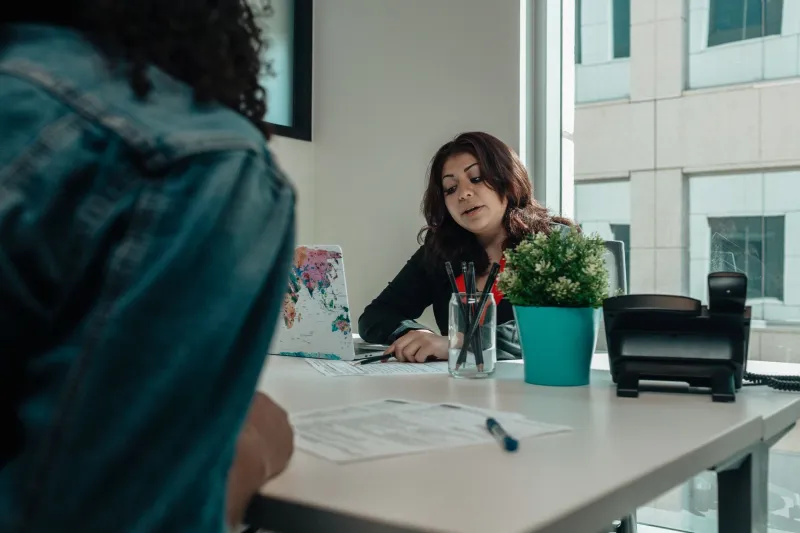
I've sat across from people who seemed like perfect partners. Same energy, overlapping audiences, shared vision — or so it looked. We talked for hours, sketched out ideas, got genuinely excited. And then, somewhere between the handshake and the first deliverable, everything quietly fell apart.
I call that stretch of road — between the pitch and the wreckage — the collaboration graveyard. And it is absolutely packed.
Most entertainers don't talk about the partnerships that didn't work. They talk about the ones that launched careers, the features that went viral, the tours that sold out. But for every one of those, there are two or three deals that drained time, money, creative energy, and sometimes actual relationships. The industry runs on collaboration, but nobody teaches you how to spot a dead deal before you're already in it.
So let's actually talk about it.
Why It Looks Good Right Up Until It Doesn't
The tricky thing about bad collaborations is that they rarely announce themselves. They come dressed in enthusiasm. The other party is responsive, charming, full of ideas. The numbers seem to line up. The aesthetic overlaps just enough to feel complementary without being redundant.
But there's a difference between compatibility and chemistry. Compatibility is surface-level — you both make music, or you both do lifestyle content, or you're both mid-tier in the same market. Chemistry is what actually makes creative work function. And chemistry is almost impossible to assess from a pitch deck or a Zoom call.
What I've learned — mostly the hard way — is that the warning signs are usually there early. You just have to know what you're looking at.
Red Flag #1: Vague Excitement With No Concrete Plan
Enthusiasm without structure is a liability, not an asset. If every conversation about the partnership is high-energy but light on specifics, that's a problem. Who owns the creative direction? How are deliverables split? What happens if one party pulls out?
When someone can't (or won't) answer those questions clearly in the early stages, they're not going to get clearer when the pressure is on. Vagueness protects the person who benefits most from ambiguity — and that person is rarely you.
Push for specifics early. If the energy drops the moment you start asking practical questions, you've learned something important.
Red Flag #2: The Audience Math Doesn't Actually Add Up
Here's a myth that costs people real money: the idea that any collaboration automatically doubles your reach. It doesn't. Audiences overlap more than you think, and even when they don't, a mismatched partnership can actively confuse your existing fanbase.
Before committing to anything, ask yourself honestly — does this person's audience actually want what I do? Not in theory. Not in the abstract. In practice, right now, would their people show up for my work?
If the answer is unclear, that's your answer. Misaligned audiences don't just produce low returns — they can dilute your brand in ways that take years to repair. The wrong association is worse than no association.
Red Flag #3: The Power Dynamic Is Already Tilted
Every collaboration has a dominant party. That's not inherently bad — sometimes you're the one with more leverage, sometimes you're not, and both can work fine if the arrangement is honest about it.
The problem is when the imbalance is disguised as equality. If someone is pitching the partnership as fifty-fifty but structuring the deal so they retain creative control, final approval, and the bulk of the revenue split, that's not a partnership. That's a service agreement dressed up in collaborative language.
Read what's actually written, not what's being said in the room. If you don't have someone who can look at a contract with fresh eyes, get someone. The cost of a one-hour consultation with an entertainment attorney is nothing compared to what a bad deal can cost you.
Red Flag #4: Their Timeline Is the Only Timeline
Collaboration requires flexibility from both sides. If you notice early on that every deadline, every creative decision, every scheduling conversation revolves entirely around the other party's needs — and your constraints are treated as obstacles — that dynamic is only going to calcify once you're locked in.
The best partners I've worked with treat logistics as a shared problem. The worst ones treat your time like it's a resource they're borrowing, not something they need to respect.
The Financial Toll Nobody Talks About
Beyond the creative friction, failed collaborations have a very real financial cost that doesn't always show up immediately. There's the time you spent developing concepts that never launched. There's the audience confusion that costs you engagement for months afterward. There's the opportunity cost — every bad partnership is a good one you didn't pursue because you were already committed.
And sometimes there's actual money lost. Shared expenses that don't get recouped. Marketing spend on a project that quietly dies. Revenue splits that never materialize because the project underperformed.
None of this is recoverable through enthusiasm or positive thinking. It's recoverable through better evaluation upfront.
A Framework That Actually Helps
Before I commit to any collaborative project now, I run through a short set of questions that have saved me more than once:
Does this serve where I'm going, or just where I am? A collaboration that makes sense for your current position might actively work against where you're trying to be in two years. Think trajectory, not just today.
Can I walk away from this without major damage if it doesn't work? If the answer is no, the stakes of the deal should be significantly higher than whatever's on the table.
Have I seen this person under pressure? How someone handles a problem — a missed deadline, a creative disagreement, a budget shortfall — tells you everything. If you haven't seen that, you don't actually know them as a collaborator.
Am I excited about the work or just the idea of the work? There's a difference. The idea is always more appealing than the execution. Make sure you actually want to do the thing, not just announce it.
The Best Collaboration Is the One Worth Saying No To
Here's what I've come to believe: the ability to walk away from a bad deal is one of the most valuable skills in this industry. It's not pessimism. It's not being difficult. It's treating your career like the long game it actually is.
The collaboration graveyard is full of projects that sounded incredible and cost people more than they bargained for. The difference between the people who thrive long-term and the ones who burn through opportunities isn't just talent — it's judgment. And judgment, more than anything else, is built by learning to read the room before you walk into it.